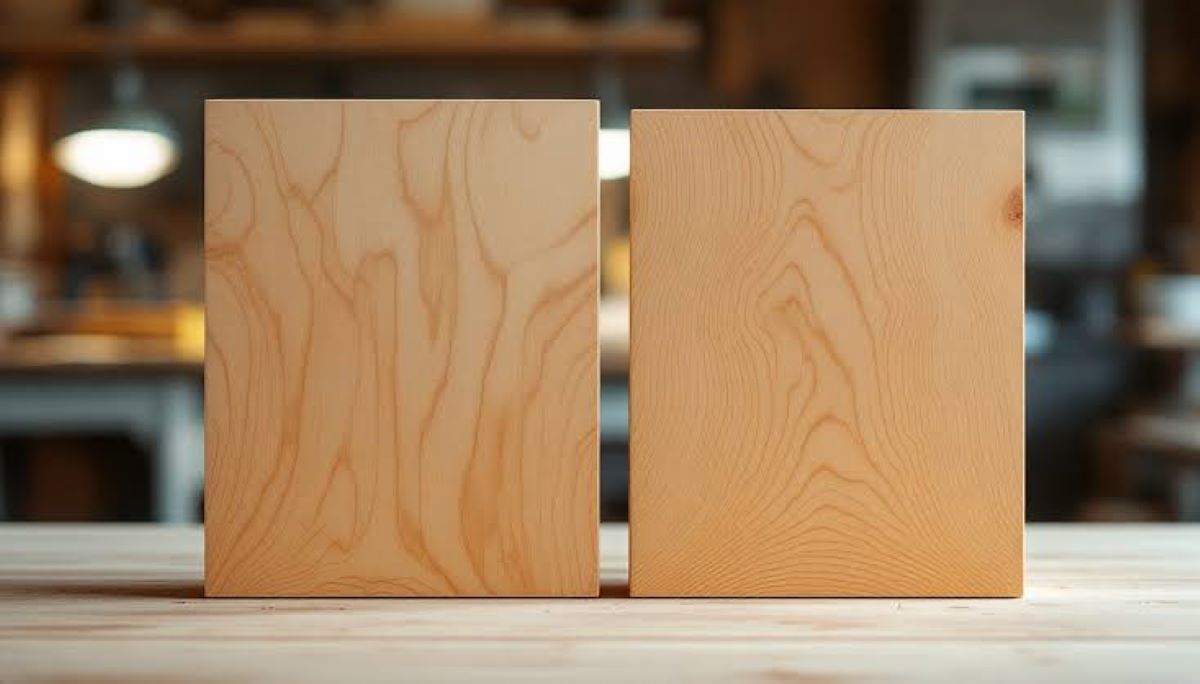

Formply looks simple on paper. It is plywood, but tougher, smoother, made to cope with knocks and weather and still hold shape. In Australia, though, ordering it can get weirdly specific fast. Different grades, faces, cores, glue lines, tolerances. If they do not specify the details up front, they usually pay for it later in delays, waste, or a finish that just will not behave.
This is a practical checklist of what they should specify when buy Formply, especially for Australian sites and suppliers.
What is the sheet being used for, and why does it matter?
They should state the exact application first because it drives everything else. Concrete formwork, trailer floors, hoardings, or a painted internal lining all want different properties.
For concrete forming, they typically want a durable film face, solid edge sealing, and consistent thickness. For floors, they might need higher slip resistance, better impact performance, and cleaner faces. Ordering Formply without stating use is basically asking the supplier to guess.
What sheet size and thickness should they specify?
They should specify thickness and sheet dimensions in millimetres, and they should not assume “standard” means the same everywhere. Common Australian sizes include 2400 x 1200, but longer sheets show up depending on supplier and import lines.
Thickness is not just structural. It affects weight, handling, span capacity, and the way joins sit. If they need 17 mm, they should say 17 mm, not “around 17”. When ordering Formply, small thickness variations can mess with levels and set-outs.
What structural rating or standard should they ask for?
They should ask what the product is certified to and request documentation if it matters for the job. In Australia, structural plywood commonly references AS/NZS 2269, and stress grades like F11 or F14 may come into play depending on the product and use.
If it is for any engineered purpose, they should confirm suitability with the designer or engineer, then order the correct rated sheet. It is safer to be blunt here. For Formply, “looks fine” is not a compliance pathway.
What face type and film weight should they request?
They should specify whether they need a smooth phenolic film face, a wire mesh pattern, or another texture. They should also ask the supplier what film weight or overlay spec it is because that affects wear and the finish transferred to concrete.
Smooth faces suit clean concrete finishes and reusable forms. Mesh faces can add grip for flooring or ramps. If they are ordering Formply for visual concrete outcomes, the face spec is one of the main levers.
Do they need a particular class of finish on the face?
They should ask what face quality they are actually receiving, especially if they plan to reuse sheets or want consistent concrete appearance. Some sheets vary in patching, colour, and surface consistency even if they are sold under the same broad label.
If the job needs uniform results, they should request sheets from the same batch where possible. With Formply, mixing batches can show up as different tones or sheen in a slab edge or wall pour.
What core type and timber species should they clarify?
They should ask whether the core is mixed hardwood, plantation hardwood, softwood, or a composite build. In Australia, “hardwood core” can still mean a range of density and void behaviour depending on source.
Core quality affects screw holding, edge durability, and how likely voids are to telegraph through after cutting. If they are doing heavy reuse cycles, better core consistency is worth it. Ordering Formply with an unknown core is a gamble on lifespan.
What bond type and moisture resistance should they specify?
They should specify an exterior bond suitable for wet concrete environments, and they should confirm the adhesive classification with the supplier. Australian conditions can be brutal on panels left exposed between pours, especially around the coast or during long wet spells.
They should also clarify storage expectations. Even good Formply can be ruined if it sits in water, bakes in sun, then gets used as if nothing happened. The bond type and handling go together.
How should they specify edge sealing and edge colour?
They should ask whether edges are factory sealed, how many coats, and whether resealing after cutting is required. Edges are where water gets in first, then delamination starts, then the sheet is done.
Some projects also care about edge colour for quick identification, or to match existing stock. If they want sealed edges for durability, they should say it clearly when ordering Formply, not when the delivery is already on site.
Do they need slip resistance, and where is it being used?
They should specify whether the sheet is being used as a walking surface, a temporary platform, a truck deck, or a ramp. Slip needs change based on wet exposure and foot traffic.
Mesh-faced sheets may help, but they are not a universal solution. They should consider contaminants too. Concrete slurry, dust, and rain can all change grip. If slip performance matters, they should ask the supplier what options exist for Formply in Australia for that use case.
What tolerances and flatness should they ask for?
They should specify if the job is sensitive to bow, twist, or thickness tolerance. Long straight runs of formwork, or any finish-critical work, can suffer if sheets arrive with noticeable warp.
They should also ask how the sheets are stored in the yard and transported. Flatness can be lost before it reaches site. If they need consistency, they should say so upfront when ordering Formply, and reject vague answers.
How many reuses do they expect, and what does that change?
They should state whether they want a few pours or heavy reuse. That expectation changes what “good value” looks like. A cheaper sheet that fails early is not cheaper once labour is counted.
For repeated use, they generally want tougher film, better edge sealing, and a consistent core that does not crumble at fixings. When ordering Formply, reuse count is one of the best ways to steer the supplier toward the right tier.
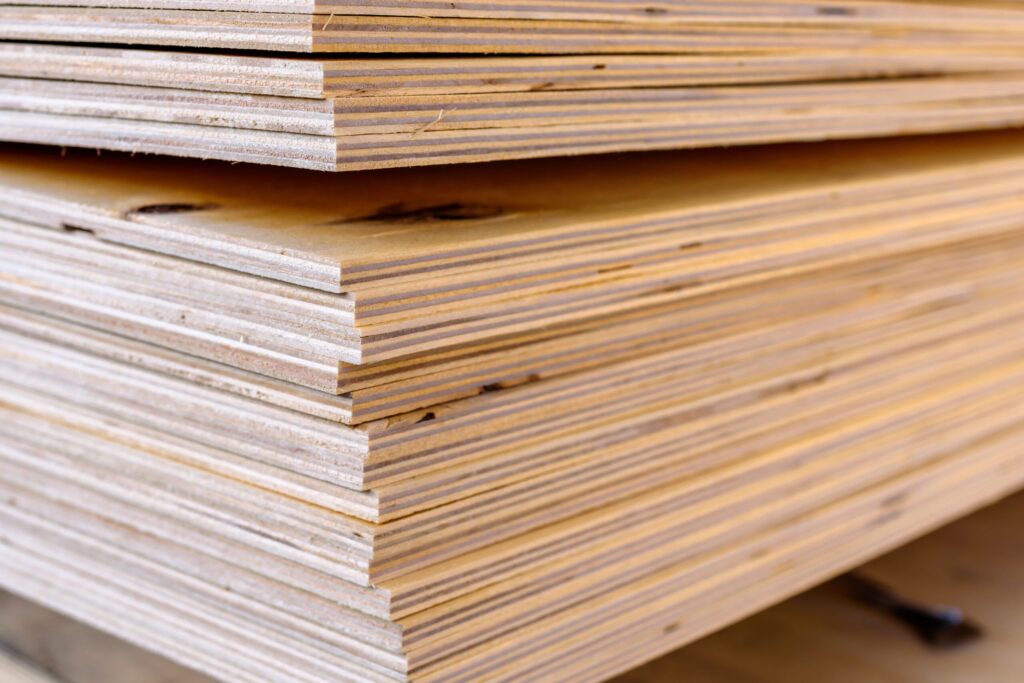
What cutting, drilling, and sealing requirements should they plan for?
They should plan the downstream handling before they place the order. If the crew will cut sheets on site, they should allow time and materials for resealing edges and penetrations.
If they are pre-cutting for modular formwork, they should confirm whether the supplier can cut-to-size, and what it does to lead times and warranties. With Formply, unsealed cuts are where durability quietly dies.
What quantity, lead time, and delivery details should they lock in?
They should specify exact quantities, allow for waste, and be realistic about lead times, especially around peak building periods in Sydney, Melbourne, Brisbane, Perth, Adelaide, and regional hubs.
They should also specify delivery constraints. Site access, forklift availability, unload times, and whether tailgate delivery is needed. If they need staggered deliveries, they should schedule them. Ordering Formply without delivery specifics often ends with a pallet dumped in the worst possible spot.
What paperwork should they ask the supplier to provide?
They should request invoices that clearly describe the product, plus any relevant certification, data sheets, or compliance statements needed for the project file. If the builder or principal contractor requires traceability, this matters.
They should also ask for care and storage guidance, because it reduces arguments later. For Formply, documentation can be the difference between “supplier issue” and “site handling issue” when something goes wrong.
How should they confirm it matches Australian expectations before it arrives?
They should ask for a sample or at least detailed photos of the exact product line, not generic catalogue images. If they are matching existing stock on a job, they should physically compare.
They should confirm branding, stamp markings, thickness, face pattern, and edge seal. Then they should check the delivery on arrival, before sheets get scattered across site. With Formply, early checks prevent late panic.
See Also : Where Formwork Plywood Is Used, and Where It Is Not
What is a simple ordering template they can copy and send?
They should send a short written spec so nothing gets “lost in the phone call”. Something like this works well in Australia:
They want Formply sheets, quantity X, size and thickness stated, face type (smooth or mesh), edge sealed, exterior bond, target reuse level, required standards or certification, delivery date, delivery method, and site constraints. Add any preference on batch consistency and a request for product data sheets.
It is not fancy. It just stops surprises.

What should they double check to avoid common Australian site mistakes?
They should double check storage and protection plans. Sheets left on bearers, covered but ventilated, kept out of puddles, and handled carefully last longer and perform better.
They should also double check they ordered what the crew actually expects. Smooth versus mesh, thickness, and edge sealing are the ones that bite most often. If they are ordering Formply for concrete appearance, they should double check the face spec twice, then once more.
FAQs (Frequently Asked Questions)
What is Formply and why is it considered tougher than regular plywood?
Formply is a type of plywood designed to be tougher, smoother, and more durable than standard plywood. It is made to withstand knocks, weather conditions, and maintain its shape, making it ideal for applications like concrete formwork and flooring.
Why is specifying the exact use important when ordering Formply in Australia?
Specifying the exact application—such as concrete formwork, trailer floors, hoardings, or internal lining—is crucial because each use demands different properties like film face durability, slip resistance, impact performance, and finish quality. Without this information, suppliers may guess incorrectly, leading to delays or unsuitable products.
What sheet sizes and thicknesses should be specified for Formply orders?
Orders should specify sheet dimensions in millimetres (commonly 2400 x 1200 mm in Australia) and exact thickness (e.g., 17 mm rather than ‘around 17’). Thickness affects structural capacity, weight, handling, and join quality. Even small variations can cause issues with levels and set-outs.
Which structural standards and certifications are relevant for Formply in Australia?
Formply should comply with Australian standards such as AS/NZS 2269. Stress grades like F11 or F14 may apply depending on the product’s engineered use. It’s important to request certification documentation to ensure the sheets meet design requirements and compliance.
How do face type and film weight affect Formply performance?
The face type—smooth phenolic film or wire mesh pattern—and film weight influence wear resistance and the concrete finish transferred. Smooth faces are preferred for clean concrete finishes and reusable forms; mesh faces provide grip for flooring or ramps. Selecting the correct face specification is key for visual outcomes.
What considerations should be made regarding core type, bond type, edge sealing, and reuse expectations when ordering Formply?
Clarify core timber species (hardwood or softwood), bond type (exterior grade suitable for wet environments), edge sealing details (number of coats and whether resealing after cutting is needed), and expected number of reuses. These factors affect durability, lifespan, moisture resistance, and overall value of Formply sheets.