
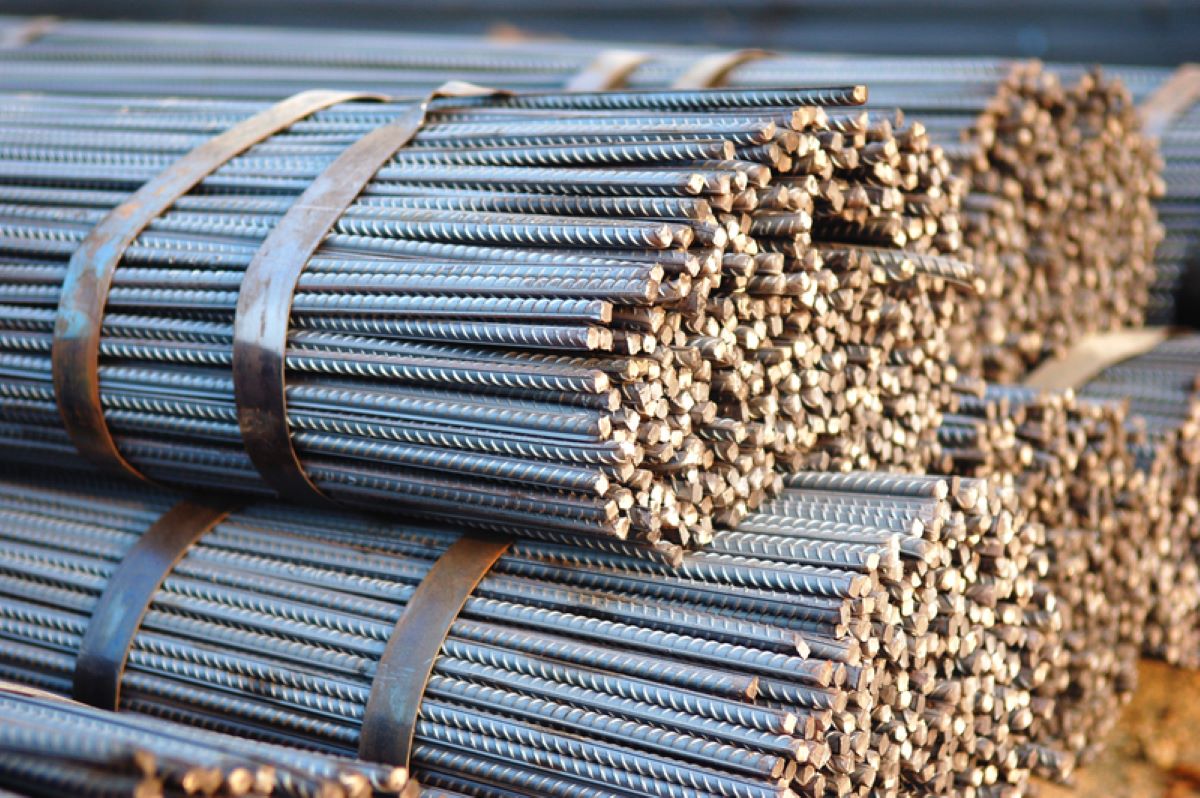

What do “reo bar size” and “grade” actually mean?
Size describes the bar’s diameter, which drives strength, spacing, and congestion in the pour. Grade describes the steel’s yield strength and ductility, which affects how it performs under load and how it behaves during bending and fixing.
Which reo bar sizes are most commonly used on site?
Most jobs rely on a small set of diameters chosen for slabs, beams, columns, and footings, with each reo bar size selected based on the structural load and spacing requirements. Smaller bars suit light reinforcement and tighter spacing, while larger bars suit higher loads but can create congestion around laps and intersections.
Typical site stock often includes smaller bars for slabs and ties, mid sizes for beams and footings, and larger bars for heavy structural elements.
How should contractors choose a bar size for slabs, footings, beams, and columns?
They should start with the structural drawings and the bar schedule, then sanity check constructability. For slabs, smaller diameter bars at closer spacing often place faster and allow cleaner cover control. For footings and beams, larger bars can reduce bar counts but may complicate laps and corner detailing.
For columns, bar diameter must suit load demands and fit with stirrups, cover, and lap zones without crowding the cage.
What are the common reo grades, and what changes between them?
Common grades mainly differ by yield strength and ductility class. Higher yield grades can carry more stress, but detailing rules, bend limits, and lap requirements may change depending on the standard and ductility category.
They should treat grade as a design choice, not a convenience swap, because “same size, different grade” is not always an approved substitution.
When is it acceptable to substitute one reo size or grade for another?
It is acceptable only when the engineer or project documentation permits it, and the substitution maintains or improves capacity while preserving detailing, spacing, cover, anchorage, and ductility requirements. In practice, substitutions often fail on lap lengths, congestion, minimum spacing, or bend radius limits.
If they must substitute due to supply, they should request written approval and update the bar schedule before fixing.
How do sizes and grades affect lap lengths, anchorage, and bending on site?
Bigger diameter bars generally need longer laps and more room for hooks and development length, which can clash with edge forms or penetrations. Higher strength grades can also change development requirements depending on the design code and detailing assumptions.
For bending, larger bars need larger bend diameters and more effort, and incorrect bending can damage ribs or introduce microcracks, especially if they rebend after placement.
What should contractors check on delivery to confirm compliance?
They should verify the bar tags, heat numbers, and mill certificates match the specified standard, grade, and diameter. Visual checks matter too: excessive rust scale, oil contamination, pitting, or bent bars can cause placement and performance issues.
They should also confirm they received the right mix of straight bars, mesh, ligatures, and any prefabricated cages listed in the schedule.
What are the most common reo sizing and grading mistakes that cause defects?
The biggest failures come from silent substitutions, wrong bar placement, and poor detailing execution. Common issues include using the right bar but wrong spacing, incorrect laps, missing starters, insufficient cover, and crowding bars so concrete cannot flow and compact properly.
They can prevent most of these by cross-checking the bar schedule against the formwork set-out before any steel is tied off. Check out more about reporting and using grades.
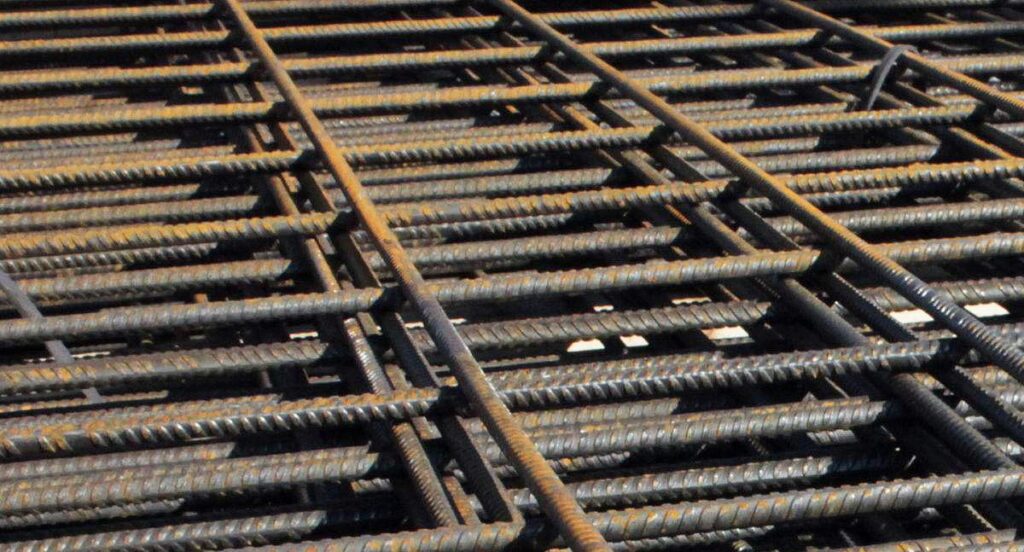
What is a practical checklist they can use before pouring concrete?
They should confirm the installed reinforcement matches the drawings, then focus on pour-readiness. A short checklist is usually enough: correct bar sizes and grades, correct spacing, correct laps and hooks, adequate cover with chairs, clear access for vibration, and bars secured so they will not float or shift.
They should also ensure penetrations, cast-ins, and construction joints are set before the pre-pour inspection is signed off.
Related Post : Scaffolding Mesh: Protecting Workers and the Public
FAQs (Frequently Asked Questions)
What do “reo bar size” and “grade” mean in reinforcing steel?
Reo bar size refers to the diameter of the reinforcing steel bar, which influences its strength, spacing, and congestion during concrete pouring. Grade indicates the steel’s yield strength and ductility, affecting its load performance and behavior during bending and fixing.
Which reo bar sizes are most commonly used on construction sites?
Commonly used reo bar sizes include smaller diameters for slabs and ties, mid-sized bars for beams and footings, and larger bars for heavy structural elements. Smaller bars suit light reinforcement with tighter spacing, while larger bars handle higher loads but may cause congestion around laps and intersections.
How should contractors select the appropriate reo bar size for slabs, footings, beams, and columns?
Contractors should begin with structural drawings and the bar schedule, then assess constructability. For slabs, smaller diameter bars placed closer together facilitate faster installation and better cover control. Larger bars in footings and beams reduce bar counts but may complicate detailing. Columns require bar diameters that meet load demands while fitting stirrups, cover, and lap zones without overcrowding.
What are common reo grades and how do they differ?
Common reo grades differ mainly by yield strength and ductility class. Higher yield grades carry more stress but come with varying detailing rules, bend limits, and lap requirements based on standards. Grade selection is a design decision; substituting grades without approval can lead to compliance issues.
When is it acceptable to substitute one reo size or grade for another on site?
Substitution is acceptable only if approved by the engineer or project documentation, ensuring capacity is maintained or improved while preserving detailing, spacing, cover, anchorage, and ductility requirements. Unapproved substitutions often fail due to lap lengths, congestion, spacing minimums, or bend radius constraints. Written approval and updated bar schedules are essential before fixing.
How do reo bar sizes and grades affect lap lengths, anchorage, and bending during construction?
Larger diameter bars require longer lap lengths and more space for hooks and development length, which can interfere with edge forms or penetrations. Higher strength grades may alter development requirements per design codes. Bigger bars need larger bend diameters and more effort; improper bending risks damaging ribs or causing microcracks especially if rebent after placement.
